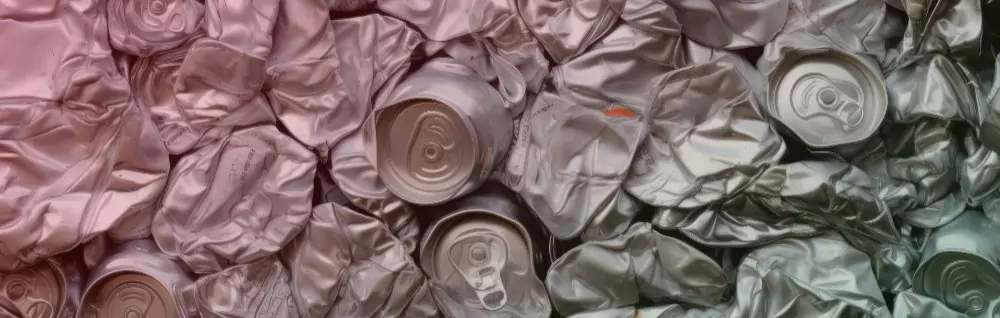
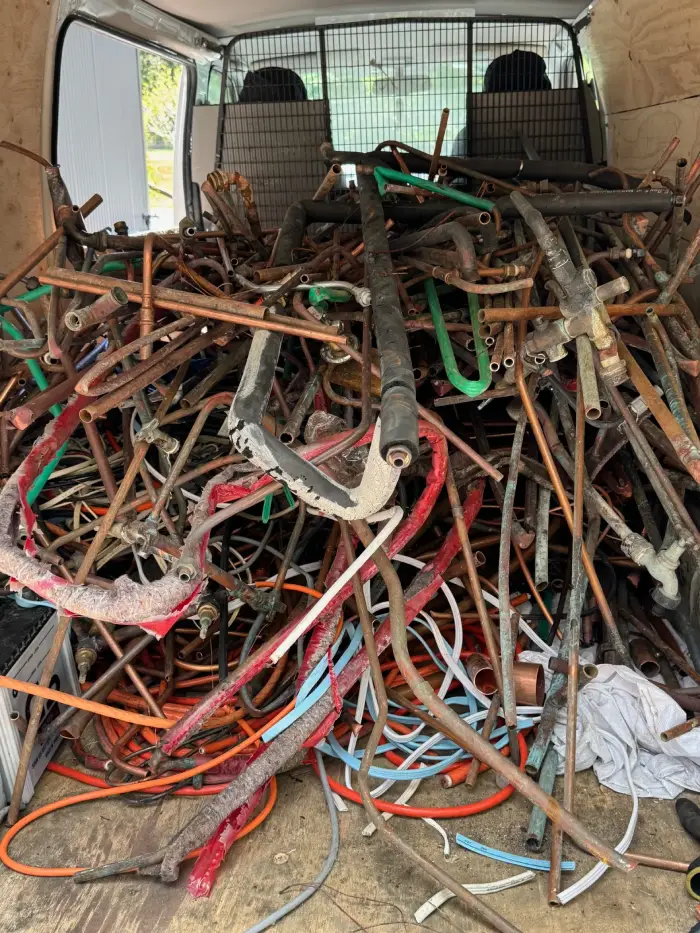
Cans, foil, window frames, car parts, old rims, offcuts from a job site. If it's aluminium, we'll take it, sort it and pay you for it. Hunter Scrap Metal collects and recycles aluminium across Newcastle and much of New South Wales, with free pickup, a phone quote first, and payment once it's weighed and checked.
Aluminium is one of the few materials that can be melted down and reused again and again without losing strength. A drink can, a window frame or an old car wheel all go through the same basic process once they leave your property.
Your aluminium is picked up and sorted by type, since cast aluminium, extrusions, cans and sheet all get processed differently.
Paint, plastic and other contaminants are removed, then the aluminium is shredded or crushed so it's ready to melt.
The clean aluminium is melted down and turned into new sheet, extrusions or cast products, ready to go straight back into use.
Short answer, you describe your scrap, get a rough quote, then a pickup is arranged. Payment happens after the aluminium is weighed and checked. For bigger jobs, a renovation, a demolition, or a shed clean out, it's worth calling ahead so the right vehicle turns up.
By phone, form or in person, with a rough amount and the type of aluminium you've got.
Based on the type, condition and current market rates. We may need to see it first for a firm number.
A pickup gets arranged for bigger loads, or you can drop items off at the yard yourself.
Sorted by type. Mixed loads with steel or other metals are usually priced at the rate of the lowest value metal, unless already sorted.
Payment happens on the spot once your load is checked.
Not sure if something counts? Describe it when you call rather than guessing. Mixed items, like a window frame with glass and rubber seals still attached, can usually still be assessed on the day.
Aluminium doesn't wear out the way some materials do. It can be melted down and reused indefinitely without losing quality, which is part of why scrap aluminium holds real value instead of just being landfill. Producing new aluminium starts with mining and refining bauxite ore, a process that uses a large amount of energy and leaves a heavy environmental footprint. Recycling skips almost all of that. According to global aluminium industry data, recycling uses around 95 percent less energy than making new aluminium from raw ore, which also means far lower greenhouse gas emissions along the way.
There's a practical side too. Every tonne of aluminium recycled is a tonne that doesn't need to go to landfill, and a tonne that doesn't need fresh ore mined to replace it. For a business generating offcuts every week, or a household clearing out old fittings and cans, recycling turns what would otherwise be waste into something with a payout attached.
Sources: NSW EPA · NSW Legislation, Scrap Metal Industry Act 2016 & Regulation 2024
The type of aluminium, how clean and sorted it is, current market rates, and whether it's mixed with steel or other materials.
Not all aluminium is priced the same. Clean extrusions and sheet are usually worth more per kilo than cast aluminium or cans, since less processing is needed before they can be melted down. A load that's already sorted and free of paint, plastic or steel fittings will generally get you a better rate than a mixed pile, because contaminants have to be stripped out first.
Exact prices aren't listed here because they shift with global markets, sometimes week to week. A dealer can only give you a real number once they know the type, rough weight and condition of what you've got. Calling for current pricing is more reliable than trusting a figure you saw somewhere else online, since those go stale fast.
Newcastle is home base, with real coverage across the Hunter Region, the Central Coast, and out to Muswellbrook, Taree, Forster, Port Macquarie, Tamworth and Armidale. Towns not listed here haven't been added for the sake of it, so call and ask if yours isn't shown.
Bring your ID, and have payment details ready since cash isn't a legal payment method for scrap in NSW. For bigger jobs, building sites, demolition offcuts or a fleet of old rims, mention the volume and location upfront for a faster, more accurate quote.
Cans, foil, window frames, gutters, car and boat parts, aluminium rims and wheels, extrusions, sheet offcuts and general aluminium scrap. Not sure about something? Just describe it when you call.
Yes. Recycling aluminium uses around 95 percent less energy than producing new aluminium from raw bauxite ore, according to global aluminium industry data. That's why scrap aluminium is worth collecting rather than sending to landfill.
Yes, and this is what makes it different from a lot of other materials. Aluminium can be melted down and reused over and over without losing strength or quality, so a can or car part recycled today could be back in use within weeks.
Yes. Pickup is part of the standard service for aluminium scrap, the same as our other metal recycling. For bigger loads, it helps to book ahead.
Newcastle is home base, with coverage across the Hunter Region, the Central Coast, and out to Muswellbrook, Taree, Forster, Port Macquarie, Tamworth and Armidale.
No. Under the Scrap Metal Industry Act 2016 and the Scrap Metal Industry Regulation 2024, registered dealers in NSW can't pay cash for scrap metal. Payment has to be traceable, so you'll usually give bank details.
How clean and sorted the load is, the type of aluminium (cast, extrusion, cans or sheet all price differently), current market rates, and whether it's mixed with steel or other materials.
Not compulsory, but it helps. Aluminium free of paint, plastic or steel fittings is worth more per kilo than a mixed or contaminated load, since contaminants have to be removed before it can be melted down.
Hunter Scrap Metal
Read the original customer reviews directly on our Google Business profile.
Thank you. Your quote form has been sent.